March marks the end of Japan’s fiscal year, and many companies close their annual accounts during this month. As the new fiscal and academic year begins in April, it is also a season when many people move, prepare for school enrollment, or start new jobs. For students, it is graduation season as well.
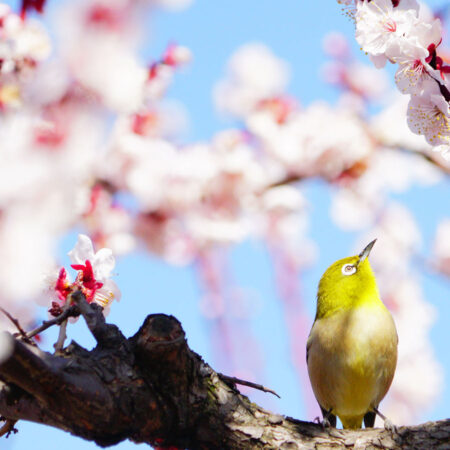
In mid-March, peach blossoms begin to bloom, and by late March, cherry blossoms start to open, signaling the arrival of spring. Temperatures gradually rise, making the weather more comfortable. You will also notice people in the streets changing from winter coats to lighter spring outfits.
Kakutei Shinkoku (Tax Return Filing)
From a tax perspective, the tax return filing period that began in February ends on March 15 (March 16 in 2026). For most company employees in Japan, taxes are settled through the year-end adjustment handled by their employer. However, if you have side income or temporary income, be sure not to forget to file your tax return.
Reference article:
Do Foreigners Need to File a Tax Return in Japan?
Important Points Regarding Status of Residence
March is the busiest time of the year for the Immigration Services Agency of Japan, and processing times may be longer than usual. If your change to a working status of residence has not been approved by March, you may need to postpone your planned start date in April. Please keep the following points in mind:
- If your period of stay is still valid after graduation, your permission to engage in activities other than those permitted under your status (part-time work) remains valid. However, once your period of stay expires, you are no longer allowed to work part-time. Be especially careful if there is a gap between graduation and employment.
- If you apply for a change to a status such as “Engineer / Specialist in Humanities / International Services” at the last minute, it may be difficult to begin working in April.
- If you move to a new address, you must complete your moving-in procedure at your local municipal office within 14 days and update the address on your residence card.
Seasonal Traditions and Customs
March 3 is the Peach Festival, when 雛祭り(Hina Matsuri, Doll Festival) is celebrated. Hina Matsuri originated from a combination of ancient Chinese traditions and children’s play among Japanese aristocrats. The custom of displaying ornamental dolls, as we see today, began during the Edo period. While May 5 is traditionally known as Boys’ Day, March 3 is a day to wish for the happiness and healthy growth of girls. In addition to hina dolls, some regions decorate with hanging ornaments called “tsurushi-bina.”

Tsurushi-bina
As spring flowers begin to bloom, peach blossoms start appearing around the time Hina Matsuri ends. Places such as “Togenkyo” in Yamanashi Prefecture and “Hanamiyama Park” in Fukushima Prefecture are famous for their beautiful pink landscapes.
From late February through March, bright yellow rapeseed flowers (nanohana) bloom delicately. They can be enjoyed together with cherry blossoms in late March. “Mother Farm” in Chiba Prefecture is known for its 3.5 million rapeseed flowers covering entire hillsides. The Isumi Railway, also in Chiba, is famous for its charming retro train running through fields of rapeseed flowers (service is suspended throughout 2026 due to a derailment accident). In Saitama Prefecture, Gongendo Sakura Tsutsumi offers stunning views of cherry blossom tunnels alongside vibrant yellow rapeseed fields.
Around March 20, Japan observes 春分(Shunbun, Vernal Equinox), when day and night are nearly equal in length. Around this time, warmer and sunnier days become more frequent. The three-day period centered on the Vernal Equinox is called お彼岸(Ohigan, Buddhist Equinoctial Week), when many people visit family graves. This custom reflects a unique blend of Buddhist beliefs and Japan’s traditional view of nature. It is common to offer sweet rice cakes called 牡丹餅(Botamochi) during this time.
After Ohigan passes, cherry blossoms begin to bloom. People from around the world travel to Japan to see them. There are countless cherry blossom viewing spots throughout the country. You can check the latest forecasts on the Weathernews Cherry Blossom Forecast website.
Weathernews Cherry Blossom Forecast
For many Japanese people, cherry blossoms carry deep emotional meaning—their beauty and fleeting nature often symbolize encounters and farewells in life.
In Japan, the national budget cycle, school year, and company fiscal year all begin in April. For those coming to Japan, as well as students transitioning into the workforce, March can be a busy month. Be sure not to forget important procedures such as filing tax returns and updating your address. Completing these administrative steps properly is the first step toward building a stable life in Japan.
By Hajime Saito
X: @hajimesaitoYJC