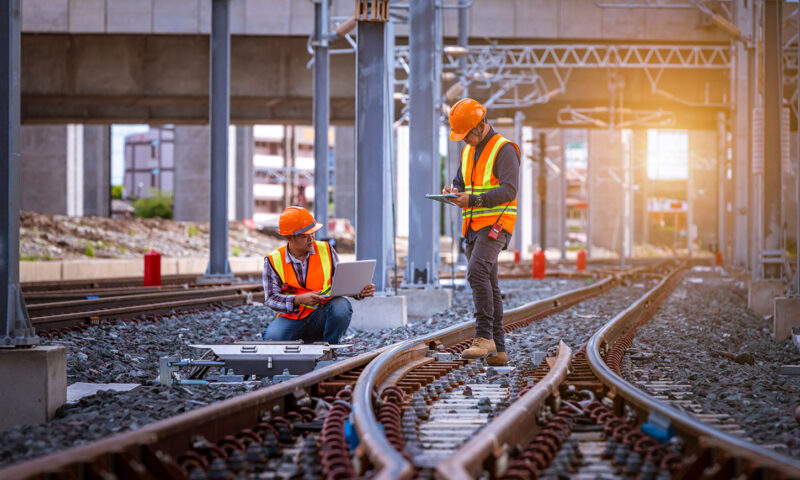
On February 19, East Japan Railway Company (JR East) announced that it will provide training for 113 foreign nationals who will be responsible for the maintenance and inspection of railway vehicles and facilities.
The program is not limited to JR East’s own recruits. It also includes prospective employees from 15 railway operators and group companies nationwide — a total of 47 companies — including Central Japan Railway Company (JR Central), Japan Freight Railway Company (JR Freight), Tokyo Metro Co., Ltd., and Seibu Railway Co., Ltd.. This initiative represents a railway industry–wide effort to develop skilled personnel.
The four-week training will take place at the JR East General Training Center in Shirakawa City, Fukushima Prefecture. Participants from four countries, including Indonesia and Vietnam, aim to pass the “Specified Skilled Worker (i)” examination in March. As early as this summer, they are expected to begin working in inspection and maintenance roles for railway cars, tracks, and overhead lines.
JR East is also considering continuing the program twice a year from fiscal 2026 onward, with around 100 trainees per session. A new training facility is under construction and is scheduled to begin operations in fiscal 2027.
This move is not merely a response to labor shortages. It marks a shift toward developing foreign professionals as long-term contributors in the highly specialized field that supports Japan’s railway infrastructure.
While the railway sector has already been included under Japan’s Specified Skilled Worker system, a Cabinet decision in January 2026 added new job categories, expanding the framework for acceptance. From a policy perspective, the sector has clearly entered a full-scale implementation phase.
The new “Employment for Skill Development Program (ESDP)” system, which will replace the Technical Intern Training Program, also covers the railway sector. However, detailed operational guidelines have yet to be clarified. More concrete information is expected by this summer.
The future of Japan’s railways may be protected by someone like you.
By Hajime Saito
X: @hajimesaitoYJC
Source: Nikkei (Feb 19, 2026)