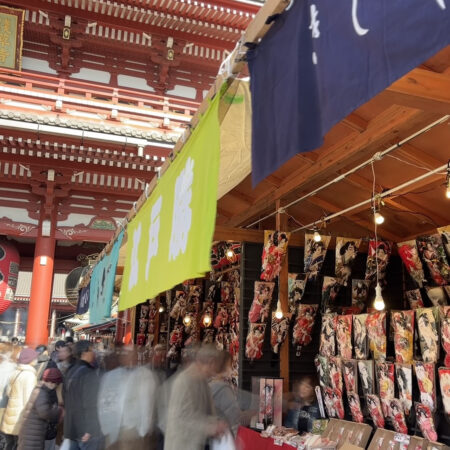
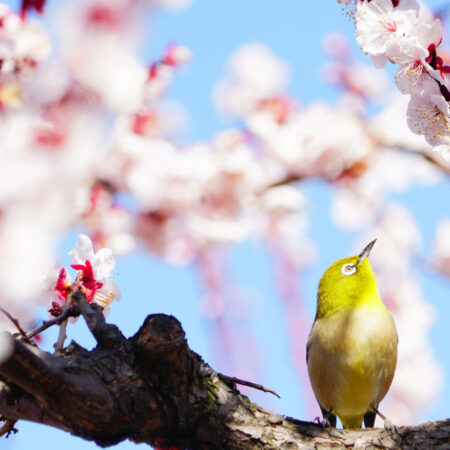
January marks the beginning of a new year in Japan.
January 1 is 元旦(がんたん), Gantan, New Year’s Day, and
成人の日(せいじんのひ), Seijin no Hi, Coming-of-Age Day, held on the second Monday of January, is also a national holiday.
As a general custom in Japan, many workplaces close for the first three days of the New Year, from the end of December through early January.
Government offices, companies, and many shops may be closed during this period, so it is advisable to check local business hours in advance.
After the holidays, the job market becomes active. Many people begin moving at the same time, and competition intensifies. Since many Japanese companies hire employees to start in April, those aiming for employment in April 2026 should begin applying around January 2026.
However, for those planning to relocate and work in Japan from overseas with sufficient preparation, aiming for employment starting in April 2027 may be more realistic. Visiting Japan in January 2026, paying respects at shrines, and learning more about the country can be a meaningful first step. Spending the year 2026 focusing on skill development, such as studying Japanese, would also be beneficial.
Points to Note Regarding Residence Status and Visas
Changing Status from “Student” to “Work” for New Graduate International Students
International students scheduled to graduate in March and begin work in April can submit applications for permission to change their residence status starting in early December of the previous year.
While the general guideline is to apply by the end of January, January tends to be a busy period, and processing times may become longer. Early application is strongly recommended.
From 2026 onward, a new operational system has become established, allowing some university graduates who meet certain criteria to omit part of the required documentation. Even so, congestion in January remains unavoidable.
Renewal of Period of Stay
Those whose residence period expires by January 31 should consider applying early, taking into account congestion at immigration offices after the New Year holidays. Using online application systems may help reduce delays.
Revision of the Administrative Scrivener Act
Although not directly related to individuals, revisions to the Administrative Scrivener Act will come into effect on January 1, 2026. These changes will affect companies and registered support organizations that accept foreign workers under the Specified Skilled Worker status.
If companies outsource residence status renewal applications in January, they should confirm that their service providers comply with the new legal framework.
Rules regarding document preparation for compensation by organizations or individuals without proper qualifications have been clarified.
Customs and Seasonal Practices
January 1, New Year’s Day, is the day to welcome the New Year’s deity known as
年神様(としがみさま), Toshigami-sama, the deity of the New Year into the home. This tradition remains today, and many households decorate with
門松(かどまつ), Kadomatsu, New Year’s pine decoration.
Toshigami-sama is believed to stay in the human world during
松の内(まつのうち), Matsunouchi, the New Year’s ceremonial period, which varies by region but generally lasts from January 1 to around January 5.
After
松の内明け(まつのうちあけ), Matsunouchi-ake, the end of the ceremonial period, the deity returns to the divine realm—on January 7 in the Kanto region and January 15 in the Kansai region.
Traditions Still Practiced Today
- 門松(かどまつ), Kadomatsu: Decorations that guide the deity safely to the home.
- しめ飾り(しめかざり), Shimekazari, sacred rope decoration: Decorations that mark a sacred space and prevent impurity from entering.
- 鏡餅(かがみもち), Kagami-mochi, ritual rice cakes: A place where the deity resides; eating the mochi later symbolizes receiving divine strength.
- お年玉(おとしだま), Otoshidama, New Year’s gift money: Originally portions of rice cakes offered to the deity, later becoming gifts for children.
During Matsunouchi, many people visit shrines and temples for
初詣(はつもうで), Hatsumode, the first shrine visit of the year. This custom involves visiting sacred places to offer greetings and prayers.
At Hatsumode, people express gratitude and make resolutions. Gratitude is offered for safely getting through the previous year, while resolutions reflect intentions for the year ahead and requests for divine protection.
小寒(しょうかん), Shokan, “minor cold” period: Around January 5, when the cold begins to intensify.
大寒(だいかん), Daikan, “major cold” period: Around January 20, considered the coldest period of the year.
During the New Year holidays, people often eat
お雑煮(おぞうに), Ozoni, traditional New Year soup and drink alcohol, which can lead to overeating or drinking too much. At such times, eating
七草粥(ななくさがゆ), Nanakusa-gayu, rice porridge with seven herbs can help rest the stomach.
As the cold deepens, it is important to avoid catching colds. Low temperatures and dry air also lead to an increase in influenza cases each year, so receiving vaccinations and taking care of one’s health is essential.
With renewed determination, let us begin the year on a positive note.
Next Read
What Do Japanese Companies Mean by “Personality”?
By Hajime Saito
X: @hajimesaitoYJC